Messy play is a wonderful way to encourage exploration and experimentation in your child. Toys are fun, but they are often limited in how your child can use them. Messy play allows your child to experiment with raw materials, which will increase their curiosity, imagination, and knowledge. In addition to stimulating their creative mind, messy play can also help them develop self-regulation and self-esteem.
Messy play is a great way for children to explore their environment. This type of play is rich in sound, smell, and texture. It also fosters language development. Children are able to talk to each other and the caregiver while exploring objects in their messy environment. This way, the child can learn about cause and effect and how things work.
Messy play is also great for physical development. Children are able to learn about textures, personal boundaries, and even colors by using their hands. They also improve their eye-hand coordination and pre-writing skills. Additionally, these messy activities can help children who struggle with different textures. And, they're a lot less stressful than sitting at the dinner table. In fact, they can even spark great discussions.
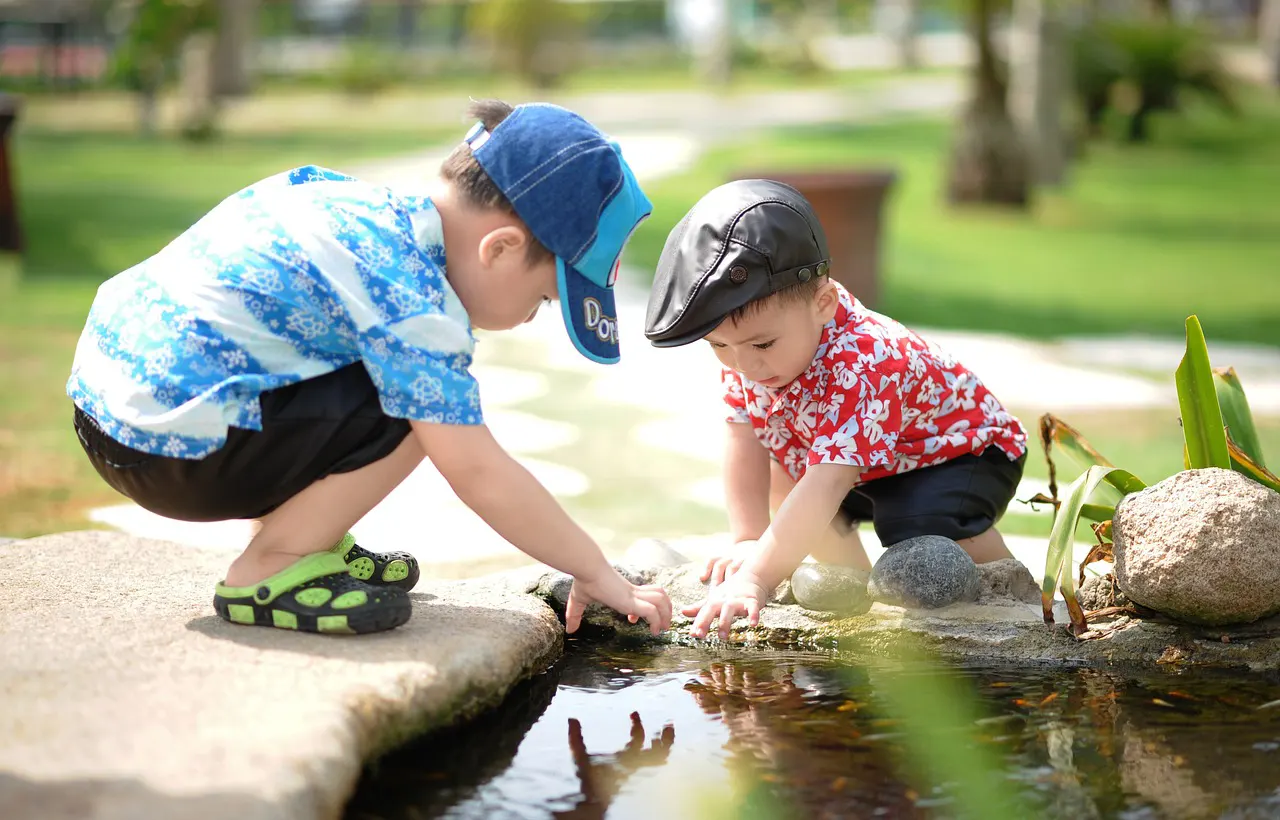
Messy play is a great way to help kids learn new skills. It helps them develop critical thinking, problem-solving skills, and social interaction. In addition, kids learn cause and effect, as well as how to share space and tools. Children enjoy playing in messy environments and learning these skills while having fun.
Messy children can be extremely frustrating for their parents and caregivers, but the good news is that this behavior can help your child develop fine motor skills and practice problem solving. In addition, messy eating can teach your child about cause and effect. So, instead of giving in to your child's messy behavior, redirect them in a positive way.

Fine motor skills can be developed through many different activities. For example, you can use small objects like candy and cereal as fine motor training materials. Other fun items include pom-poms, cotton balls, and toothpicks. You can also use a pair of tongs to move pom-poms around.
Fine motor skills are essential for many aspects of academic learning. Activities for children to improve their fine motor skills can include stacking blocks, Legos, tinker toys, crayons, paints, glue, and sand and water toys. You can also introduce your child to musical instruments, which can help develop their hands and fingers.
Playdough and putty are great tools to improve fine motor skills. You can also try scissor projects to help your child develop their hands. Scissors can help develop pincer grip. Children can use them to cut different types of paper and plastic. Crayons and clothes pins also help them develop these skills.

When parenting a child, self-regulation skills are an essential part of the process. They help children control their impulses, avoid tantrums, and maintain order. The following tips will help you build these skills in your child. The first step is to create a safe environment. Then, encourage your child to take small breaks. During these breaks, remind your child to breathe deeply and calm down. For instance, if they're throwing a tantrum or knocking over a tower, take a breather.
Lastly, remember that self-regulation takes time. Children develop on different schedules, and their parents have to adjust expectations accordingly. The best way to avoid frustrating your child is to match your expectations with your child's stage of development. You can also ask for help from professionals who work with your child.

Messy children are not only fun to play with, but messy play has several benefits for their cognitive development. Messy children are more likely to learn new vocabulary and social skills while they are playing, which is important for life. Messy play also helps children learn to share and cooperate. Setting up messy play areas at home, in a child care setting, in a playgroup, or at any location is a great way to help your child learn these important skills.
Messy play also facilitates the development of fine motor skills. Children who participate in messy play activities develop stronger hand and finger muscles, as well as stronger shoulders. These skills are important for developing future handwriting skills. Messy play can also improve children's balance and sense of balance.
Carl Hancock is a freelance content writer focusing on a wide range of topics. He often works within the cleaning industry including carpet cleaners and oven cleaners.



Articles Online is a premier publishing site covering a variety of topics including travel, business and finance, technology, and home and lifestyle.
Website Design by www.websites-4-trades.co.uk