
Dogs are mammals that are related to wolves. In fact, the wolf is the closest living relative of the dog. Dogs were domesticated over 15,000 years ago by hunter-gatherers. This was before the advent of agriculture. Today, they have a variety of personalities and characteristics, and the different breeds have unique traits. In this article, we'll discuss the different breeds and how they have been domesticated.

Dog breeds are groups of dogs that have certain characteristics in common. These dogs may be descendants of the same landrace breed, or may be a combination of several different breeds. The founders of a breed are generally known as "parents." These dogs were bred to fill certain needs, and the result was the dog that we know today.
While dog breeds are not grouped by their genetics, genetic analysis has shown that different types of dogs are genetically related. While there is a vast range of variation among domestic dogs, a small portion of DNA is shared among all breeds. Researchers have sequenced the genomes of dogs at thousands of sites to see what variations they display. They found that some breeds have a history of interbreeding, whereas others have no history.
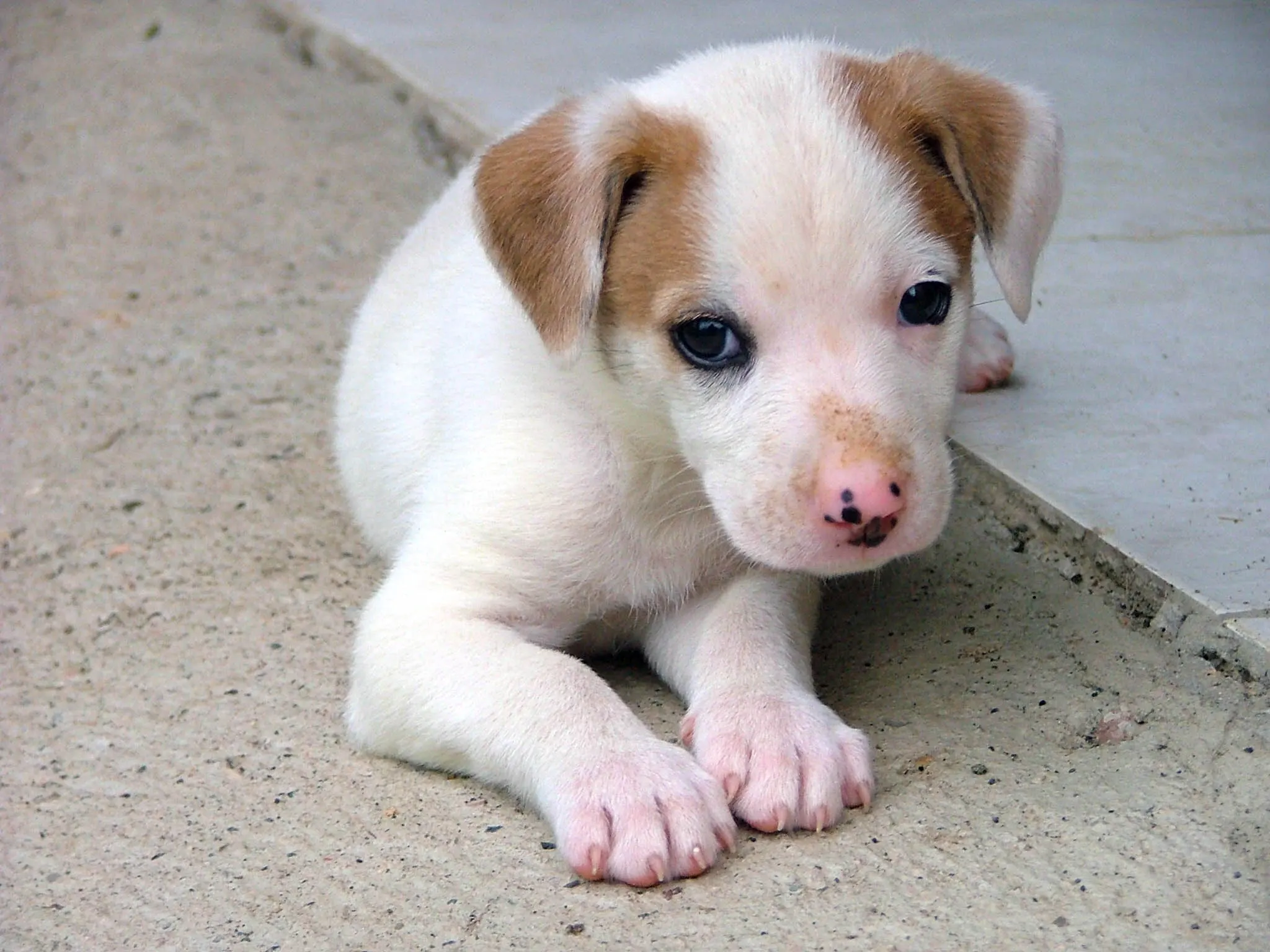
Just like humans, dogs form habits. A habit is a behavior that is repeated without conscious thought. A dog can develop a habit if it has been doing something for at least 30 days. A dog with a habit of chasing its tail may have a flea problem, dermatitis, or a worm infestation.
Dogs have many unique habits. For example, many dogs will turn around before they lay down. They will do this on any surface and for several reasons. Dogs also have a penchant for chewing on things and rolling in dirt. However, some of these behaviors are harmful for your pet and should be addressed by a veterinarian.
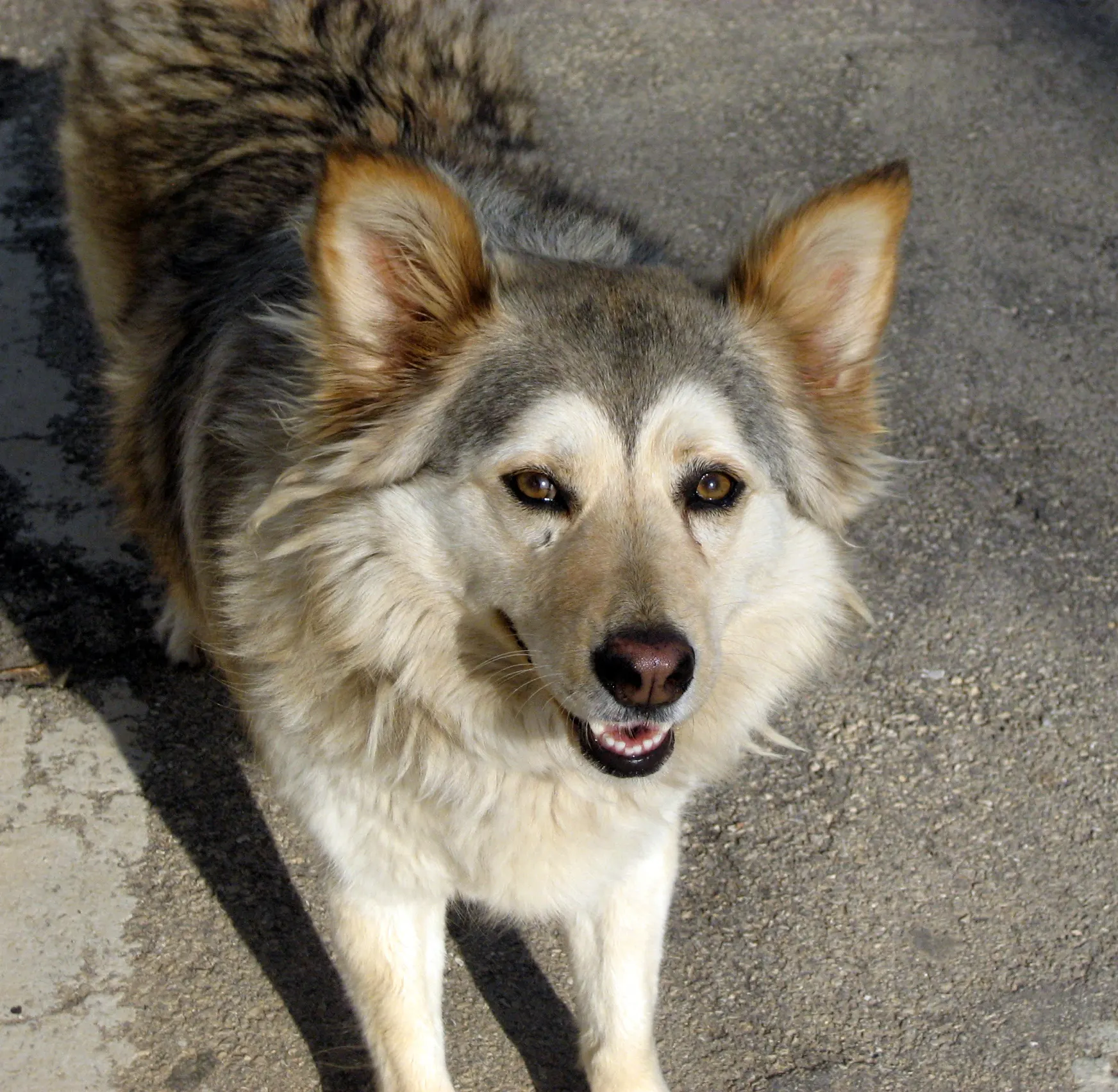
The genetics of dogs are an important aspect of dog behavior. Although most dog breeds are highly inbred, comparing the genomes of different breeds can identify the genetic variants that contribute to behavior differences. The CBARQ, or Canine Behavioral Assessment and Research Questionnaire, is a survey of more than 50,000 dog owners that measures fourteen different behavioral traits.
Each cell has 39 pairs of chromosomes, which contain important information about the characteristics of the dog. One pair of chromosomes determines a dog's sex, while the rest determine the dog's unique traits. These chromosomes are comprised of thousands of genes that are encoded into the dog's DNA.
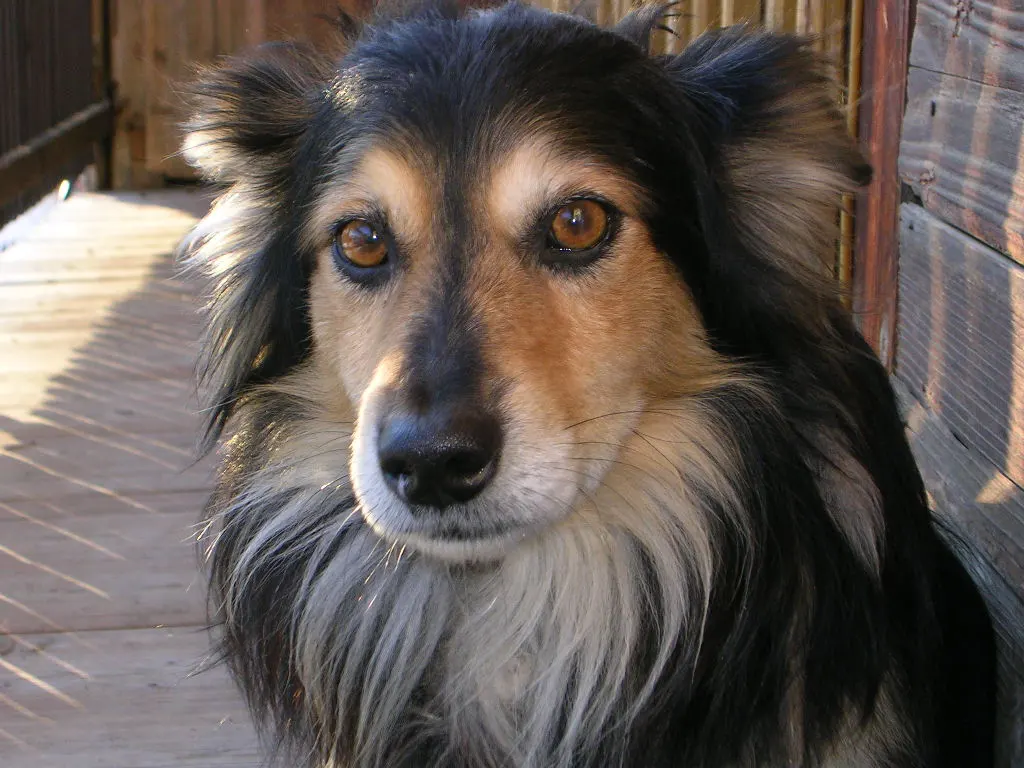
The domestication of dogs has a long history, going back to the Mesolithic era. Based on genetic and phenotypic research, initial dog domestication occurred alongside hunter-gatherers. While the origin of dogs is still uncertain, they are believed to have descended from gray wolves. Despite this, there continues to be an ongoing debate over the geographical origin of the monophyletic dog lineage. However, growing evidence is shedding more light on this topic.
While scientists disagree on the exact mechanism of domestication, they do agree on one point: dogs are the descendants of wolves. Early wolves were used by humans as pack members and for protection, and their intelligence made them excellent guards and herders. They also bond with humans well, and early domesticated wolves eventually learned to live with people. Their diets became adapted to human food habits, and they became used to human companionship.

There are various diseases that affect dogs. Many of them are caused by fungi found in the soil. Often, these fungi cause infections in dogs through wounds on the skin. The more common ones include histoplasmosis, cryptococcosis, and coccidioidomycosis.
Hepatitis is an inflammatory disease of the liver. It can damage the kidneys and liver and cause abdominal pain and tonsillitis. It can also affect the lymphatic system. Dogs that contract hepatitis may also experience depression, lethargy, or cloudy eyes. Infected dogs can die within 24 hours.
Statues of dogs are a great way to raise public awareness about animal abandonment and to promote responsible pet adoption. These sculptures often feature a QR code that allows users to learn more about dogs in need of homes. These statues are located in many locations throughout the city. They encourage people to adopt a dog that has been abandoned by its owner or to adopt an existing pet.
In Japan, statues of dogs have long been popular. There are several famous dogs that are represented in public. For example, one of the most famous statues of a dog is Balto, which stands in New York Central Park. Another is named Hachiko, who was an Akita and was the companion of Professor Ueno of the University of Tokyo. This dog would accompany the professor every day to work.

The first dogs in the Americas likely originated in Eurasia. They subsequently became domesticated from a gray wolf ancestor. Archaeological evidence indicates that dogs were present in the Americas by 10 ka and were probably brought by early human groups. Genetic evidence also supports a migration of dogs to the Americas before 15 ka.
The origin of dogs is a matter of debate among geneticists, with some claiming they originated in southern China and others in the Middle East. Despite the widespread disagreement over the subject, new genetic analysis suggests that domesticated dogs probably descended from the grey wolf. This discovery suggests that dogs may have evolved from wolves that inhabited Central Asia millennia ago. The wolves were resourceful and scavenged human leftovers for food. This probably saved humans from having to hunt for food.
Carl Hancock is a freelance content writer focusing on a wide range of topics. He provides Google adwords management and often works with small business including carpet cleaners.



Articles Online is a premier publishing site covering a variety of topics including travel, business and finance, technology, and home and lifestyle.
Website Design by www.websites-4-trades.co.uk