Vacuum cleaners have come a long way since their inception, evolving from bulky, manually operated machines into sleek, smart devices that can clean your home autonomously. This journey of technological advancements in vacuum cleaners is not only fascinating but also highlights how innovation can transform everyday tasks. This article will delve into the key technological developments that have shaped modern vacuum cleaners, making our cleaning routines more efficient and effective. We’ll also feature insights from Darren Emmott, owner of Vacuum Doctor, to provide expert perspectives on these innovations.
The concept of the vacuum cleaner dates back to the 19th century. The first manually powered vacuum cleaner was invented by Daniel Hess in 1860. His design included a rotating brush and bellows to generate suction, a far cry from the powerful electric models we use today. In 1901, British engineer Hubert Cecil Booth invented the first powered vacuum cleaner, which was so large that it had to be transported by horse-drawn carriage and operated from outside the building.
These early machines were cumbersome and expensive, limiting their use to commercial settings and affluent households. However, they laid the groundwork for future innovations by demonstrating the potential of suction-based cleaning.
The introduction of electric power revolutionized vacuum cleaner technology. In 1908, James Murray Spangler, a janitor from Ohio, invented the first portable electric vacuum cleaner. Spangler’s design, which included a rotating brush, a cloth filter bag, and a cleaning head, was bought by William Hoover, who then established the Hoover Company. Hoover’s mass production and marketing strategies made vacuum cleaners widely accessible to the general public.
By the mid-20th century, vacuum cleaners had become a household staple. Innovations such as the introduction of disposable bags, improved motor efficiency, and more compact designs made vacuuming more convenient and effective. The 1950s and 1960s saw the rise of upright vacuums, which combined powerful suction with ease of use, further cementing their place in homes around the world.
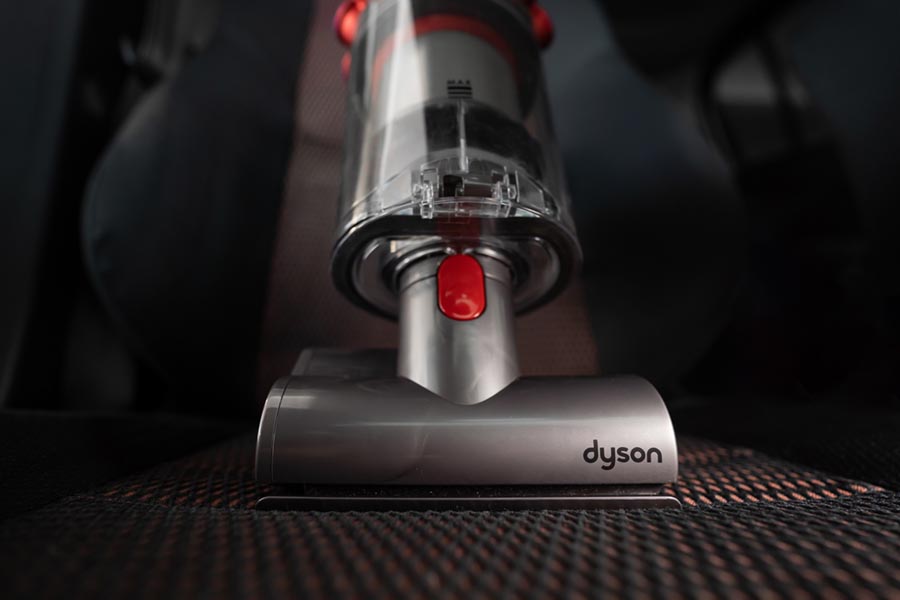
One of the most significant technological advancements in vacuum cleaners has been the improvement of suction power and filtration systems. In the 1980s, British inventor James Dyson introduced the first bagless vacuum cleaner with cyclonic separation technology. Dyson’s design used centrifugal force to separate dust and debris from the air, eliminating the need for disposable bags and maintaining consistent suction power.
Cyclonic technology not only enhanced cleaning efficiency but also paved the way for advanced filtration systems. High-Efficiency Particulate Air (HEPA) filters, which can capture 99.97% of particles as small as 0.3 microns, became a standard feature in high-end vacuums. These filters are particularly beneficial for allergy sufferers, as they trap dust mites, pollen, and other allergens, improving indoor air quality.
Darren Emmott, owner of Vacuum Doctor, highlights the importance of these innovations: "Advancements in suction technology and filtration have significantly improved the performance of vacuum cleaners. Cyclonic separation and HEPA filters ensure that vacuums not only clean more effectively but also contribute to a healthier home environment."
The 21st century has seen a surge in the popularity of cordless and robotic vacuums, driven by advances in battery technology and automation. Cordless vacuums, powered by lithium-ion batteries, offer the convenience of portability without the limitations of power cords. These vacuums are lightweight, easy to maneuver, and ideal for quick cleanups and hard-to-reach areas.
Robotic vacuums represent a major leap in home cleaning technology. Equipped with sensors, cameras, and smart navigation systems, these autonomous devices can map out and clean an entire home with minimal human intervention. Brands like iRobot’s Roomba and Dyson’s 360 Eye have become household names, offering features such as scheduled cleaning, obstacle detection, and even voice control via smart home systems.
The integration of artificial intelligence (AI) and machine learning has further enhanced the capabilities of robotic vacuums. These technologies enable robots to learn from their environment, optimize cleaning patterns, and adapt to different floor types. Some models can even empty their own dustbins, reducing the need for manual maintenance.
The future of vacuum cleaner technology promises even more exciting developments. Innovations in AI, robotics, and smart home integration will continue to push the boundaries of what vacuum cleaners can do. Future models are expected to feature enhanced connectivity, allowing them to communicate with other smart devices and provide real-time cleaning updates to users.
Energy efficiency and sustainability will also be key focus areas. Manufacturers are exploring ways to reduce the environmental impact of vacuum cleaners through the use of recyclable materials, energy-efficient motors, and eco-friendly packaging. Additionally, advancements in battery technology will lead to longer-lasting, faster-charging cordless vacuums.
As Darren Emmott from Vacuum Doctor explains, "The vacuum cleaner industry is constantly evolving, driven by consumer demand for convenience, efficiency, and sustainability. The next generation of vacuums will be smarter, greener, and more integrated into our daily lives, making home cleaning easier and more effective than ever before."
The technological evolution of vacuum cleaners has transformed them from cumbersome, manually operated machines into sophisticated, efficient devices that simplify our lives. From the introduction of electric power and cyclonic separation to the rise of cordless and robotic vacuums, each innovation has brought significant improvements in performance, convenience, and sustainability.
As we look to the future, continued advancements in AI, robotics, and smart home integration promise to make vacuum cleaners even more indispensable. By embracing these innovations, we can look forward to cleaner, healthier homes with less effort and greater efficiency.



Articles Online is a premier publishing site covering a variety of topics including travel, business and finance, technology, and home and lifestyle.
Website Design by www.websites-4-trades.co.uk