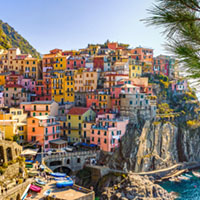
London is one of the most important financial and business centers in the world. It is also a cultural and tourist destination. Here are a few facts about London that you may not know. It is also one of the world's most populous cities, with over eight million inhabitants. No other city has so many different neighborhoods or cultures.
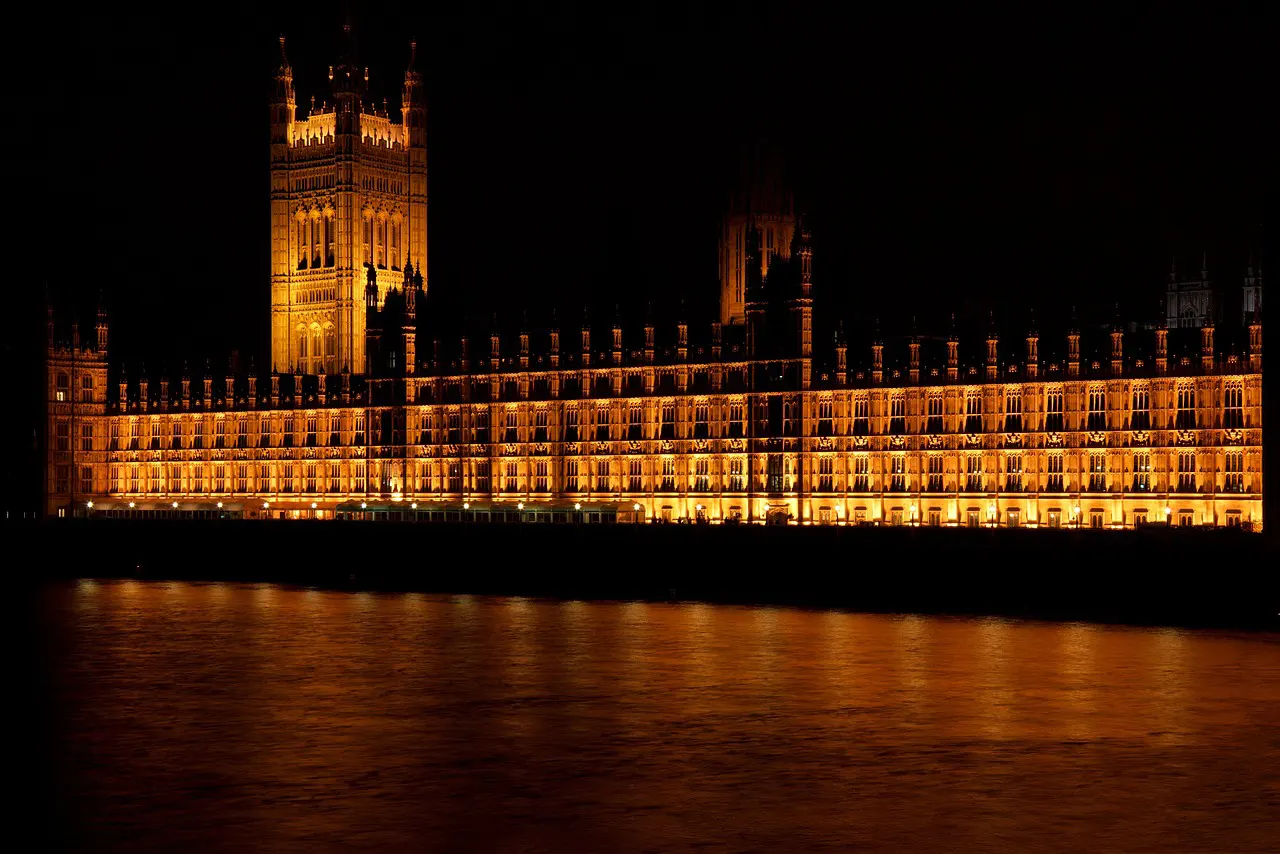
Despite the economic crisis and a looming Brexit, London remains the world's leading business and financial center. Its global outlook means it is open to investment, talent and collaboration from all over the world. In addition, London has a deep understanding of the needs of businesses. In addition, London is the most international financial center in the world, giving it unrivaled access to the world's markets. Moreover, its highly skilled workforce and deep human links to virtually every economy around the world have made it an appealing destination for international companies.
The financial and business center status of London has been confirmed by the recent results of the Global Financial Centres index. The index ranks the top 126 finance hubs in the world. It takes into account factors such as political stability, labour market flexibility, infrastructure, and innovation. In addition, London also has a clear advantage over other European financial centers in terms of its scale and flexibility.
One of the main reasons for the high level of investment in the city is its legal framework. The UK and EU legal systems are based on civil and common law, which is applicable to any situation. Civil law tends to regulate, while common law is more flexible and encourages innovation. In addition to that, English common law has also been a major factor in London's success as a global financial and business center.
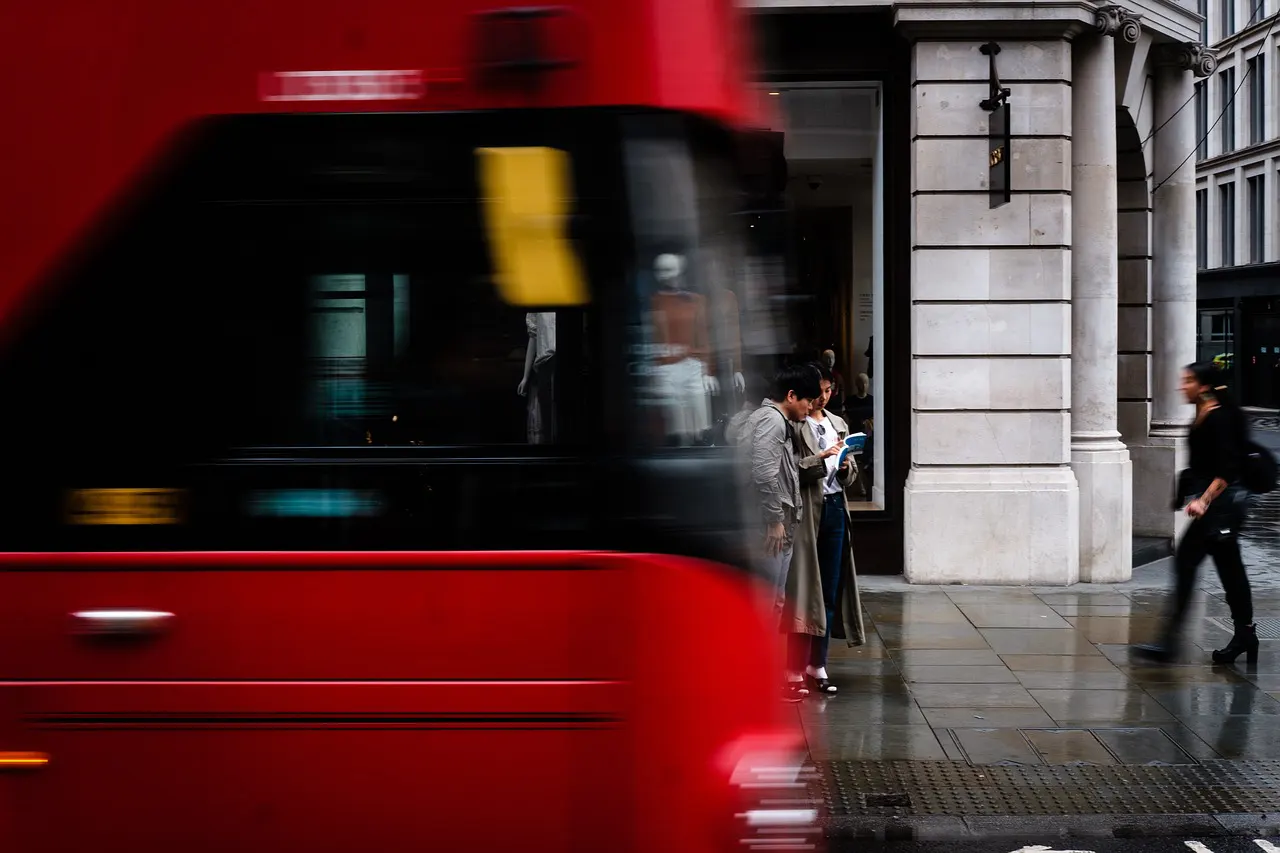
If you're a fan of art and culture, London is a great place to visit. Its museums and galleries are plentiful, and many offer free admission. The British Museum, located in Bloomsbury, houses 7 million artifacts from all over the world. It features art, antiquities, and natural history specimens. There's also the Science Museum, Victoria and Albert Museum, and Natural History Museum.
As the capital of Great Britain, London is a major global city. It has strengths in finance, arts, education, research and development, tourism, and transport. Mastercard recently ranked London as the world's most economically important city. London is a vibrant, multicultural city with something for everyone.
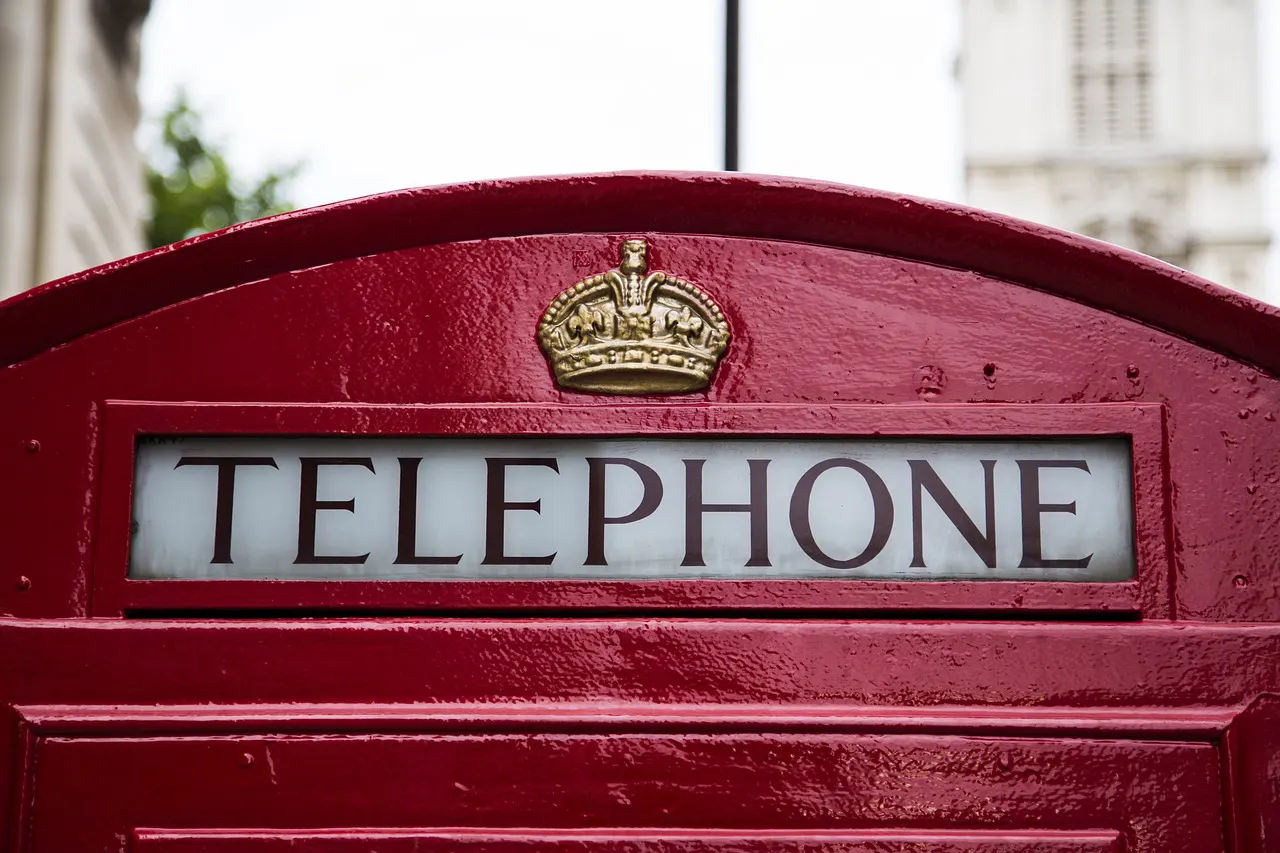
London has many attractions for tourists to explore. The most popular months to visit are summer and late spring. In the winter, it is less crowded. However, December can draw crowds, especially with the holiday displays. Here are a few things to do in London during these times. All of these attractions are worth seeing and will make your trip a memorable one.
Tower of London: This is one of the most popular tourist attractions in the city. It is recommended to book tickets in advance to avoid waiting in line. A guided tour will let you experience the Tower of London and Tower Bridge without the crowds. Some guided tours even offer VIP access to both. You can also take a boat ride on the River Thames to see the city from a different perspective.
Leicester Square: This historic public square has a cool atmosphere at night. You can see statues of famous people and a replica of Big Ben. Whether you're traveling with a family or a large group, you're sure to find something for everyone in Leicester Square.

London is one of the most multicultural cities in the world. Its population is over one-third non-Caucasian, and more than two hundred languages are spoken here. With over 270 different nationalities represented in the city, it is no wonder that London has become the cultural capital of the world.
London's diversity is reflected in the culture and food of its residents. More than 300 languages are spoken in the capital, yet few monuments or street names reflect its diverse communities. That's why City Hall has launched a new Commission for Diversity in the Public Realm. It will work with local boroughs and communities to ensure street names and monuments reflect the diversity of the city.
London is home to a huge variety of wildlife, and the diversity is evident in its habitats. There are ancient woodlands, reedbeds, and grasslands that provide a home for various species of animals and plants. There are over 14,000 species recorded in London, and many of them are permanent residents. These species are representative of the city's biodiversity, which means there are a range of different types of life.
Carl Hancock is a freelance content writer focusing on a wide range of topics. He provides Website Design and often works with small business including vacuum repairs.



Articles Online is a premier publishing site covering a variety of topics including travel, business and finance, technology, and home and lifestyle.
Website Design by www.websites-4-trades.co.uk